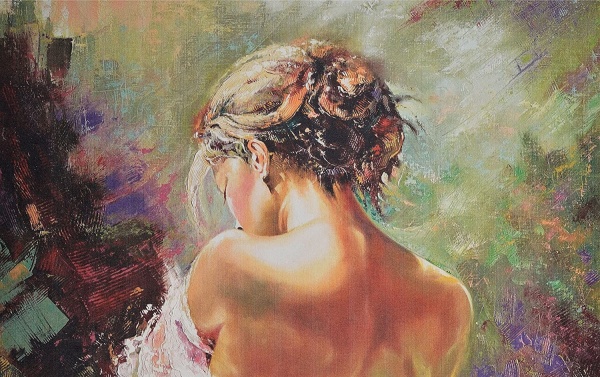
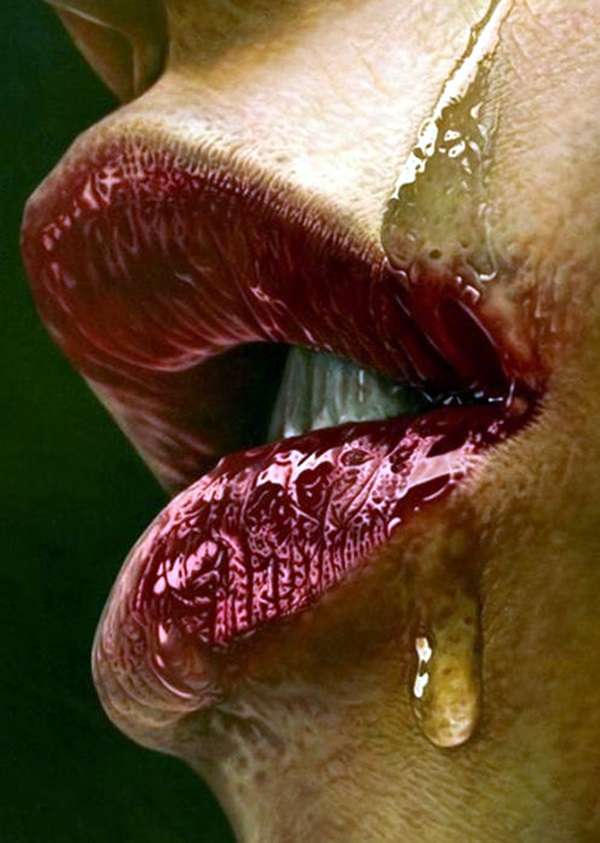
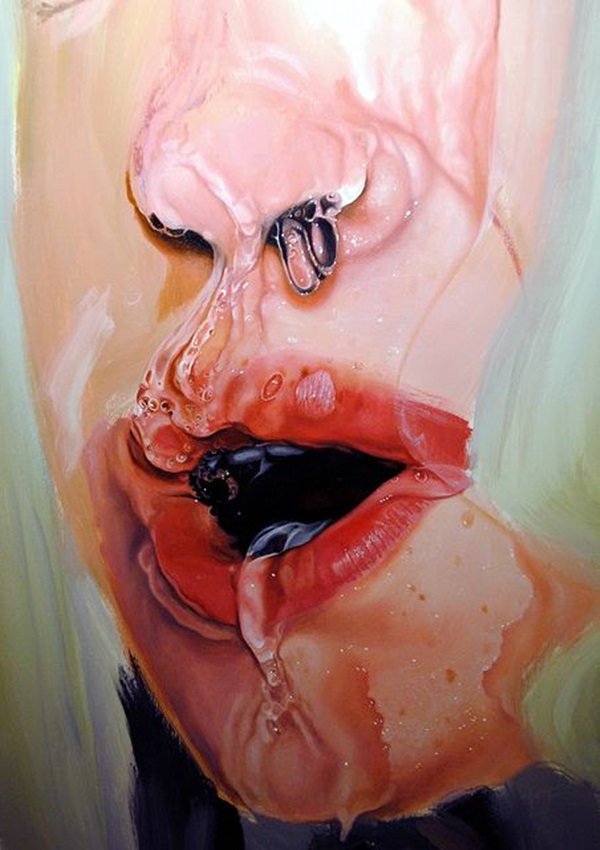
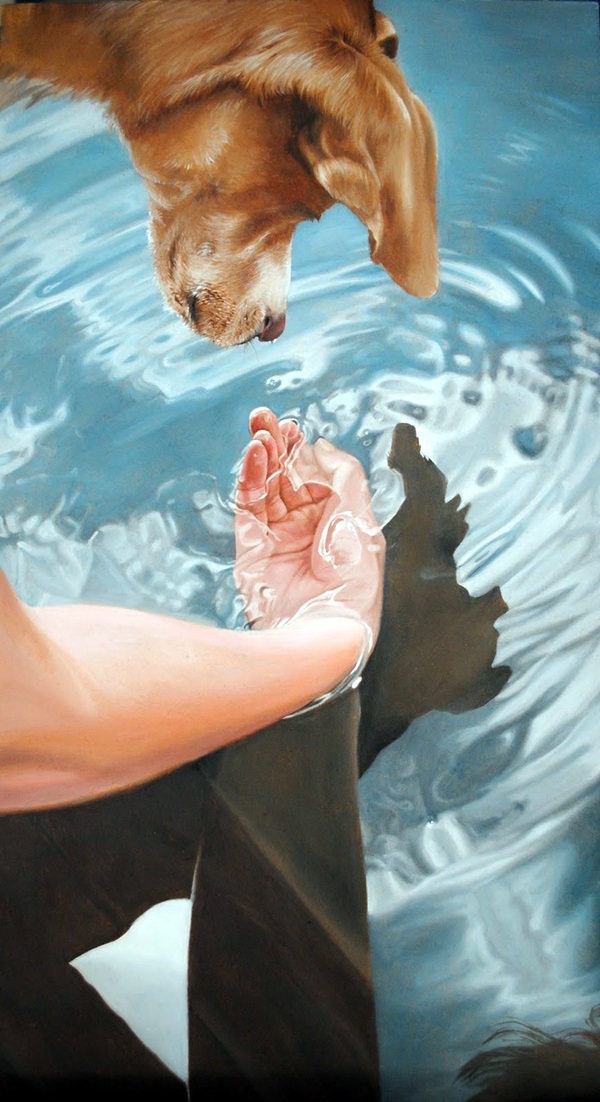
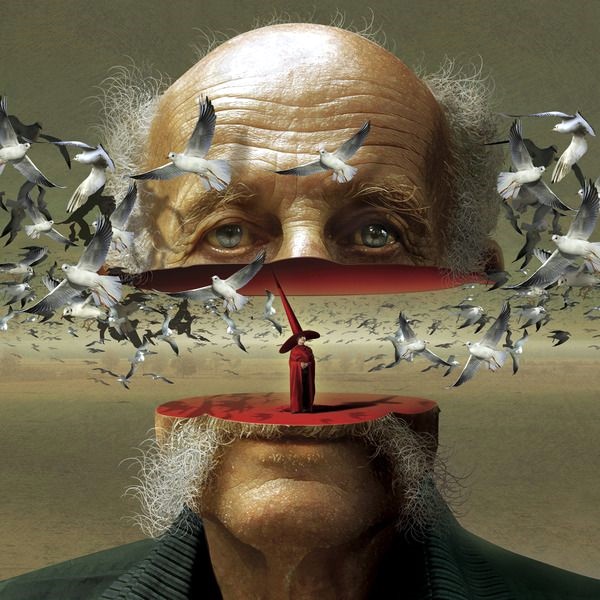
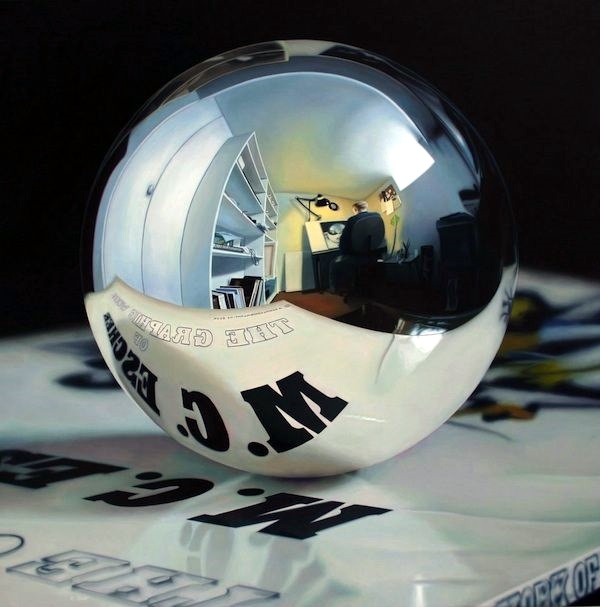
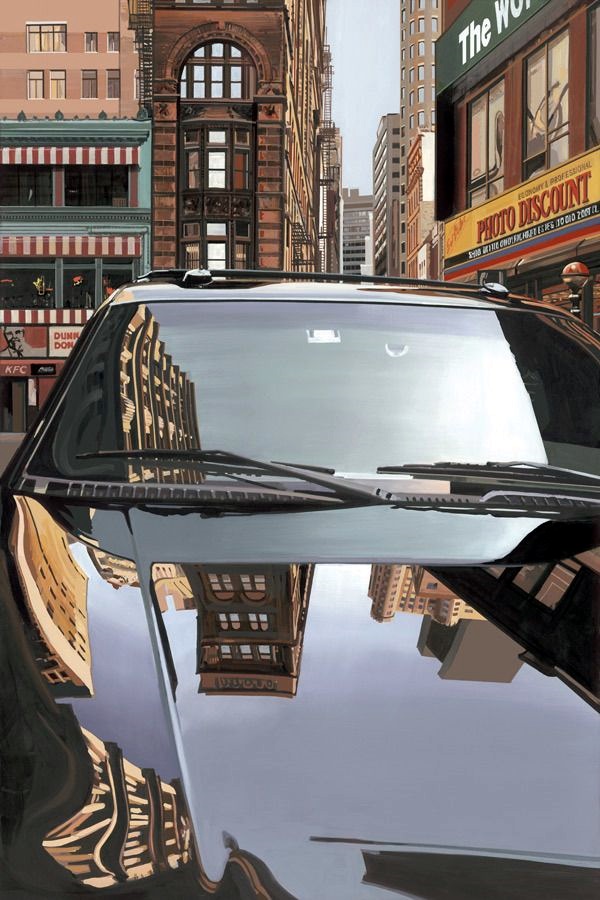
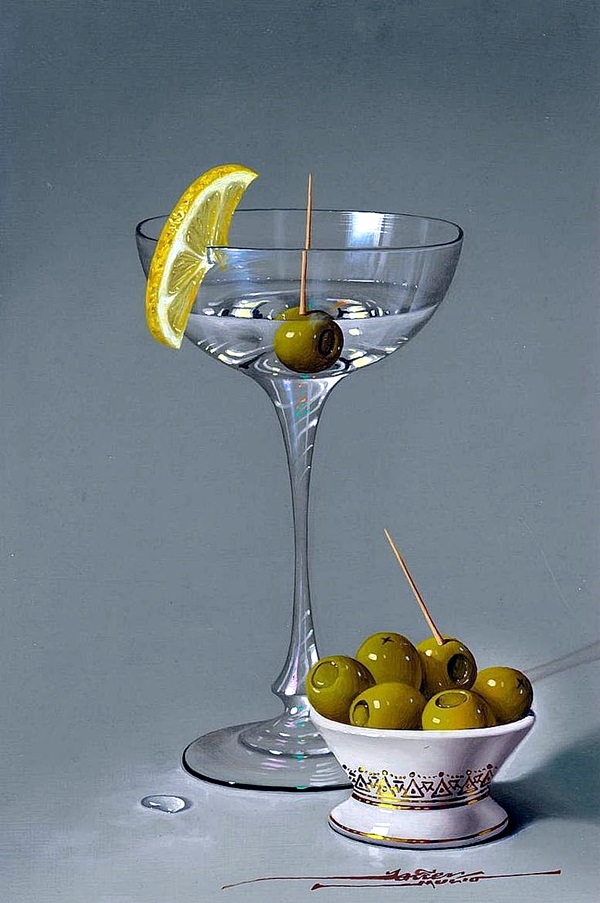
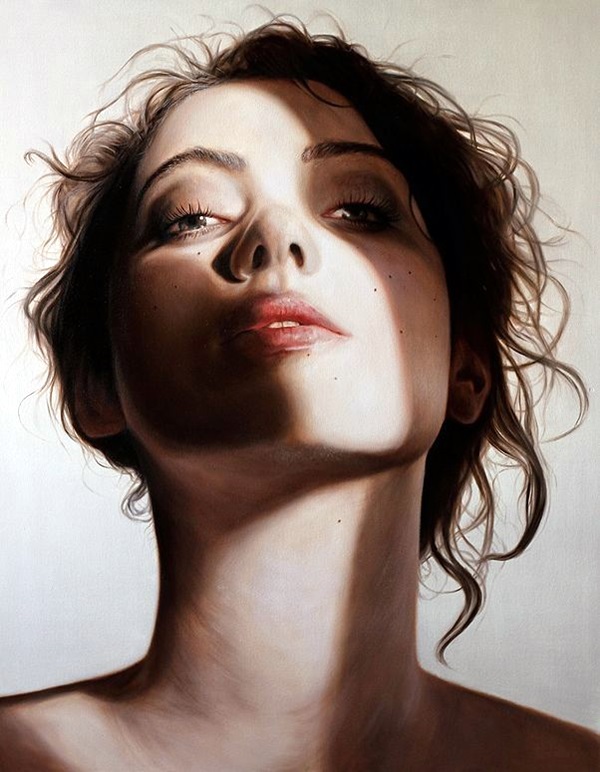
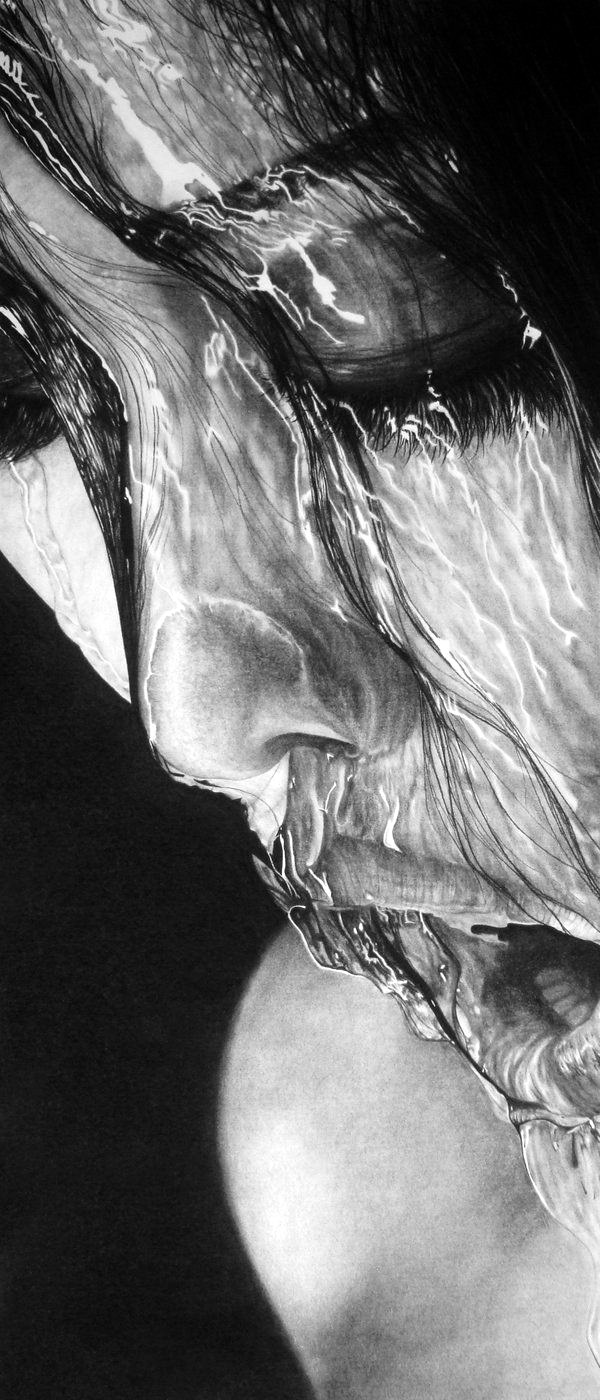
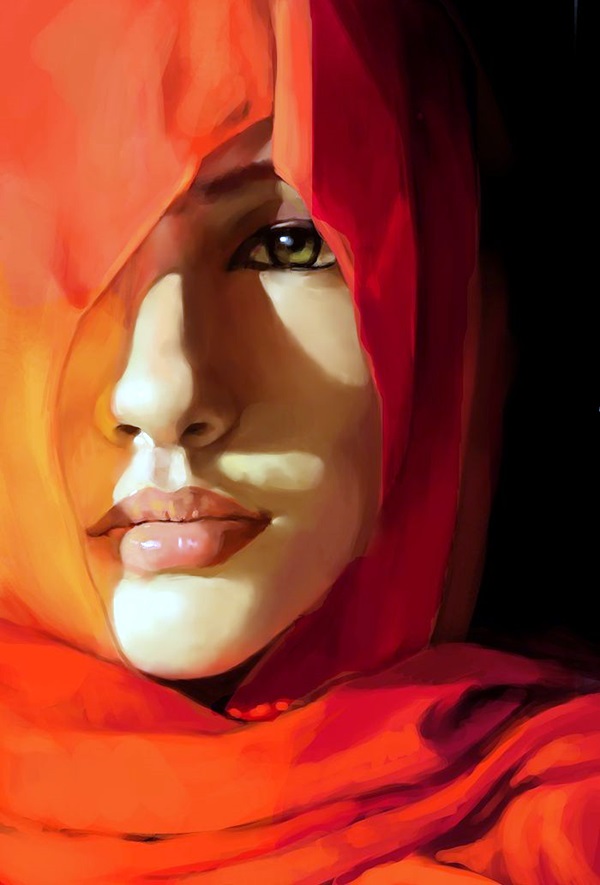
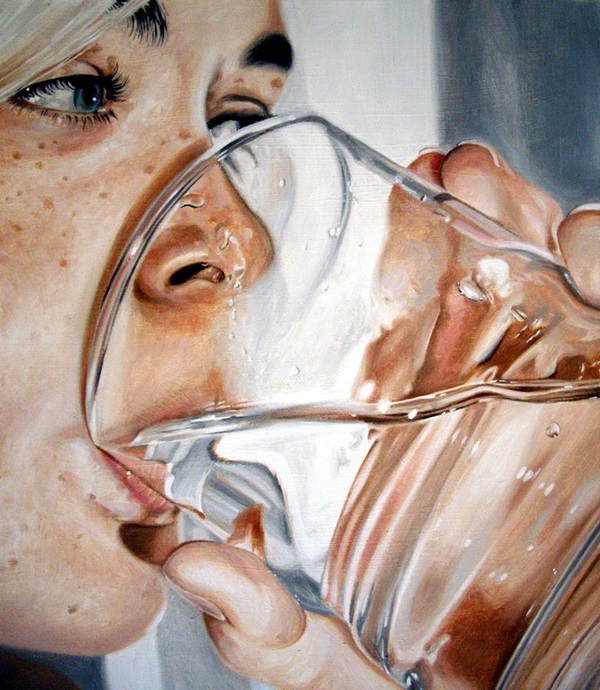
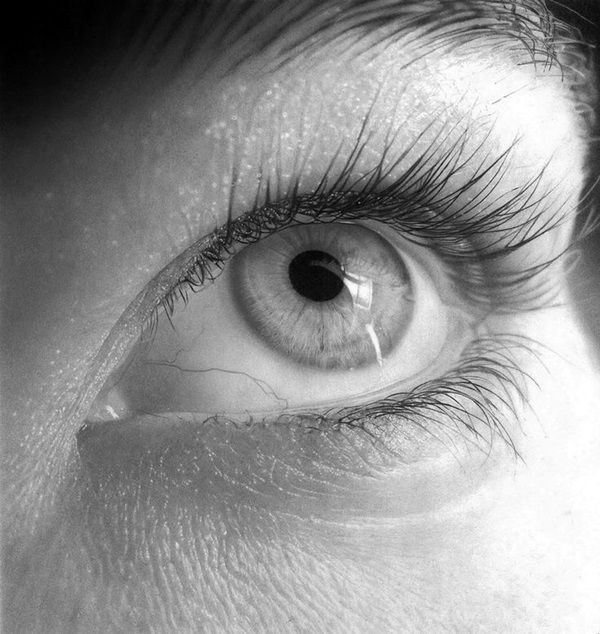
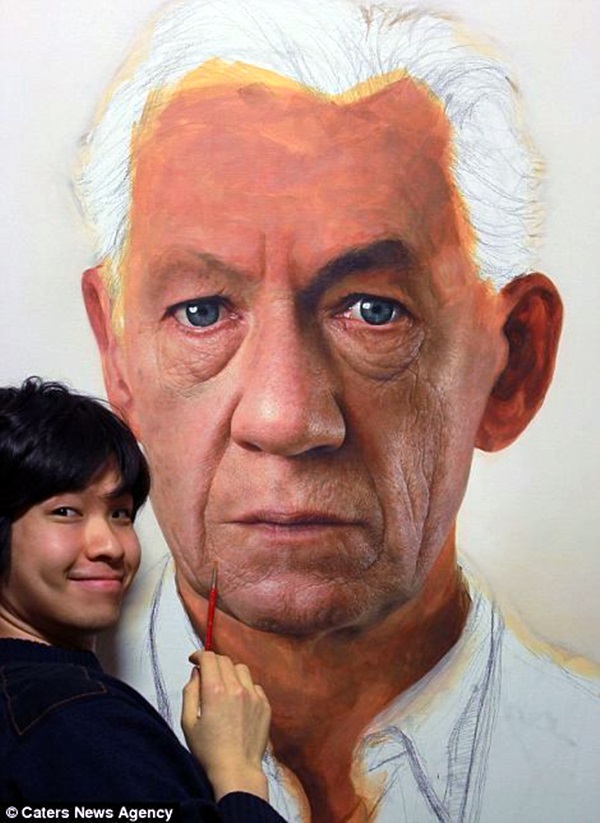
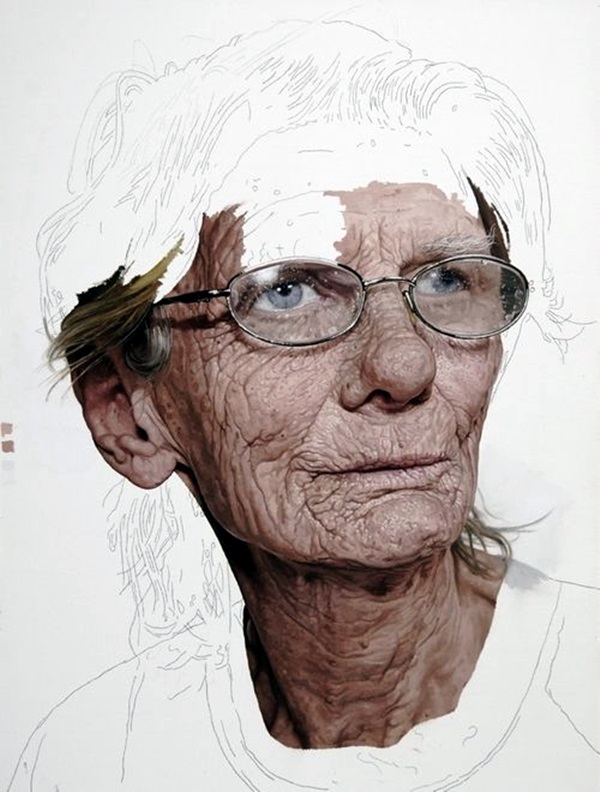
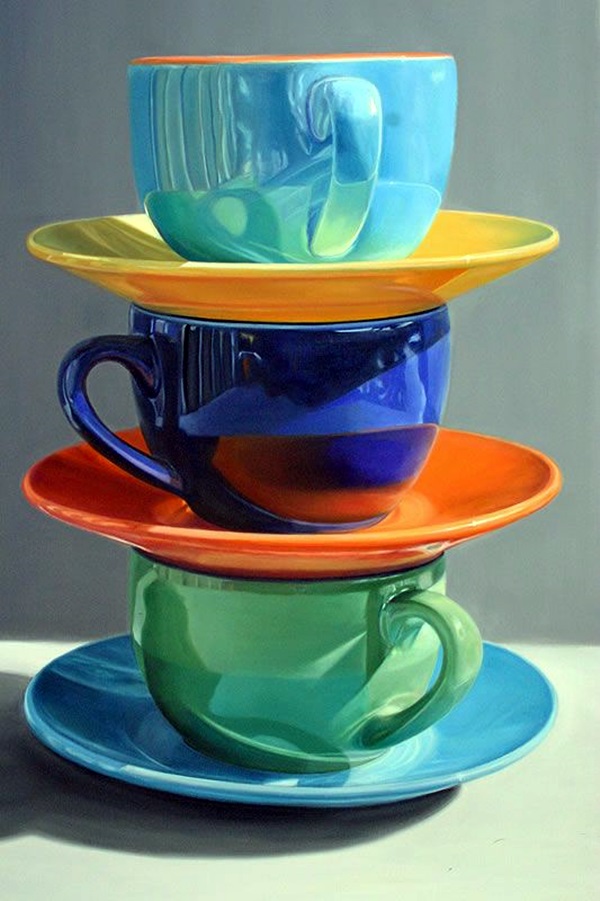
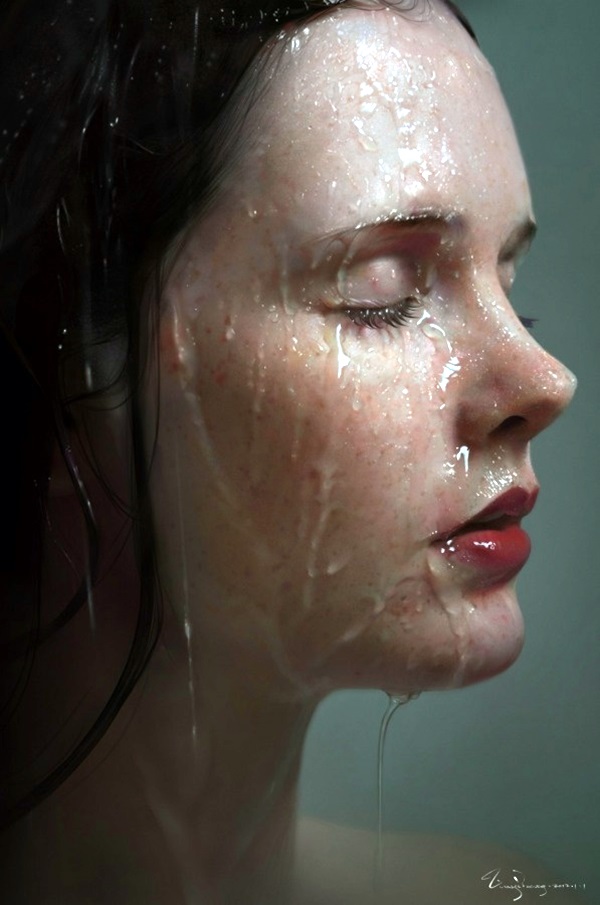
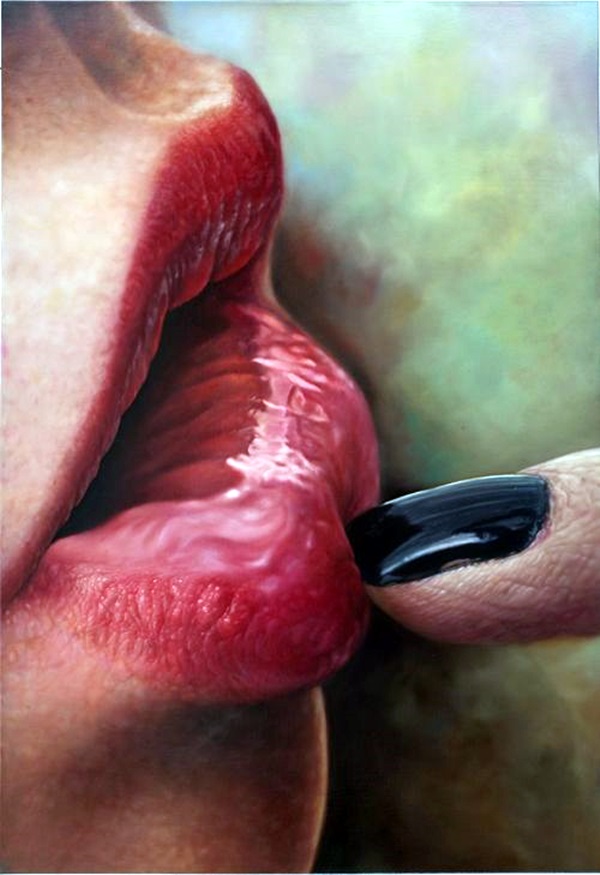
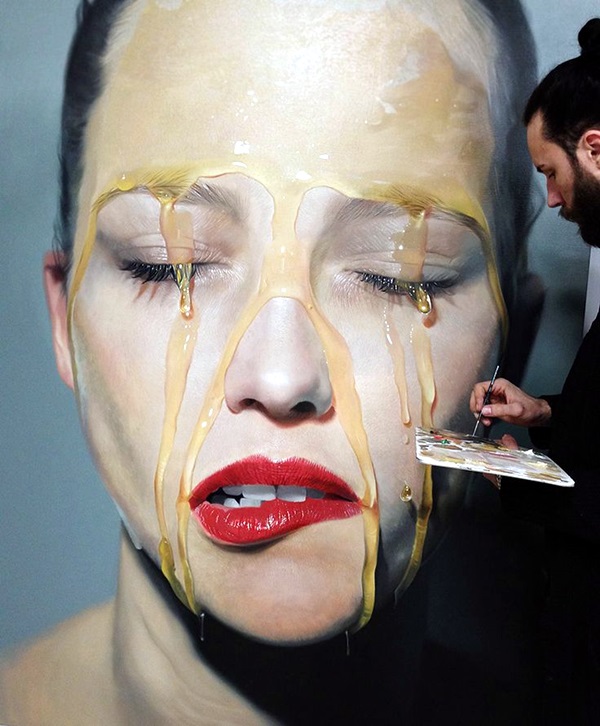
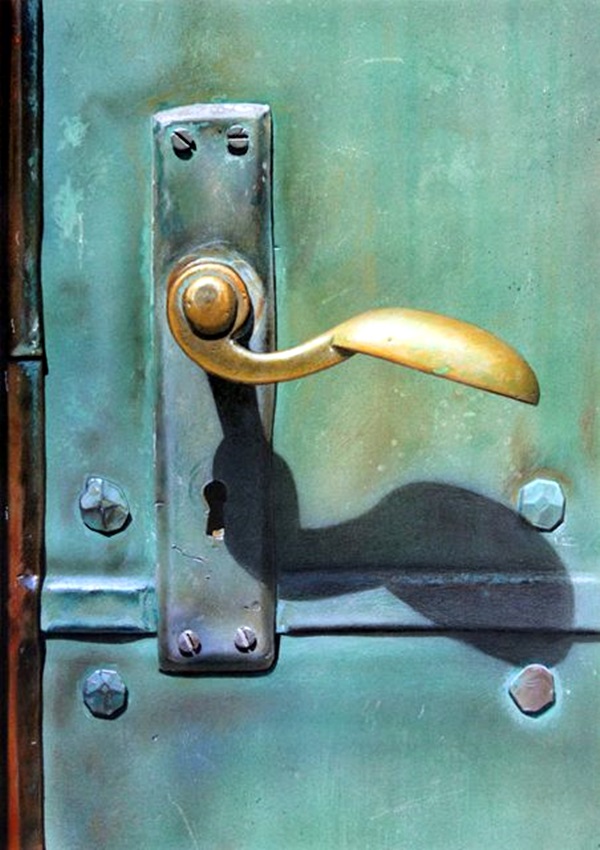
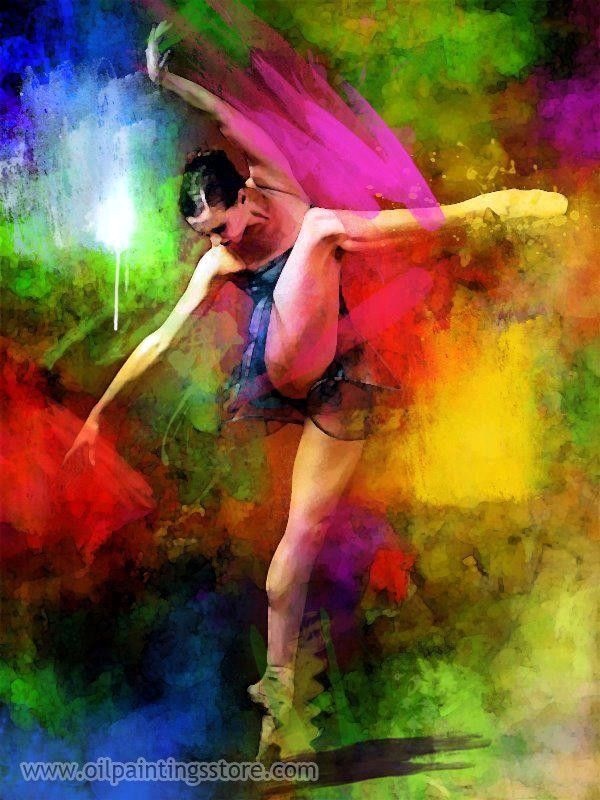
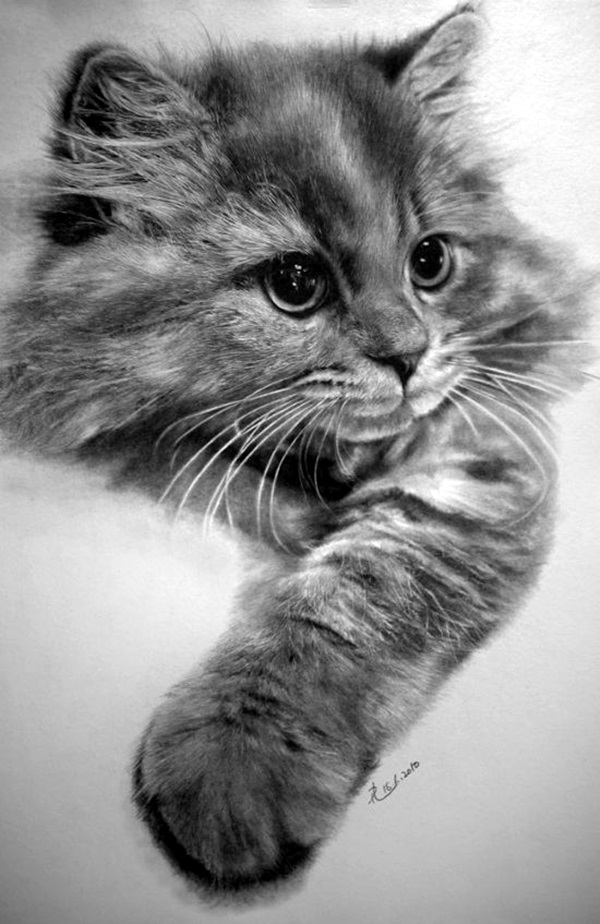
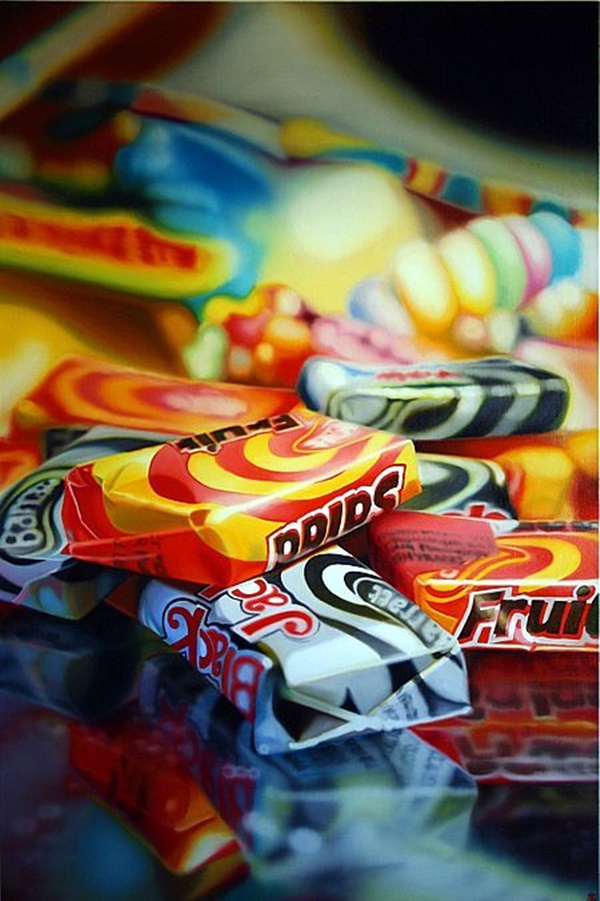
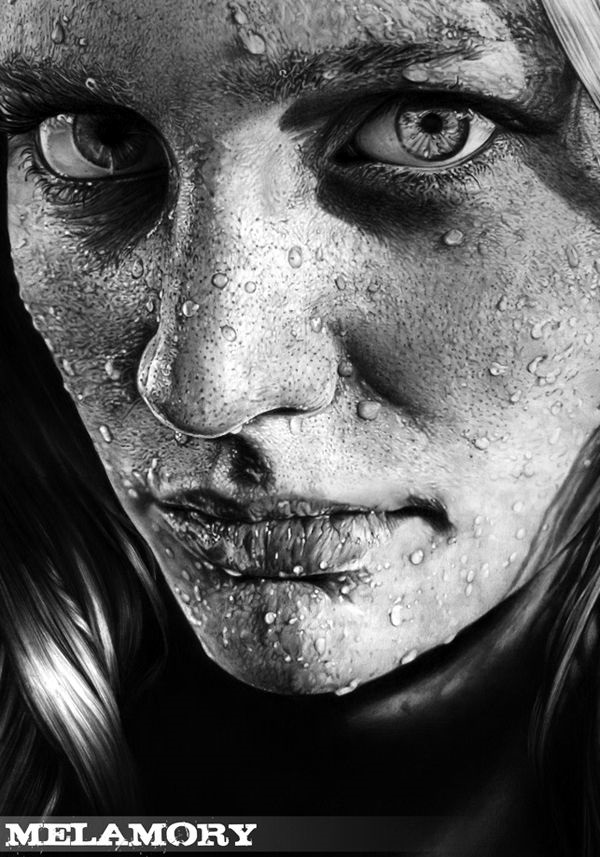
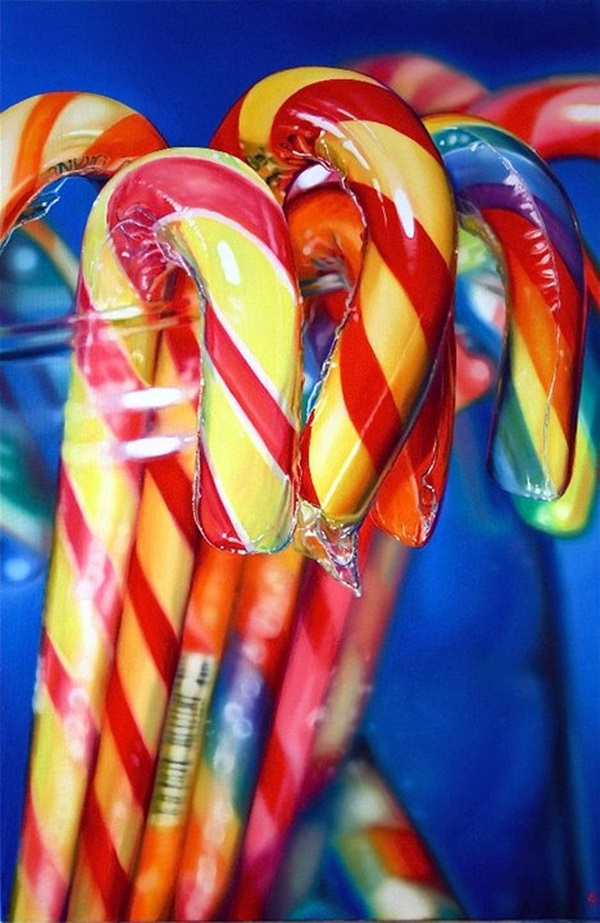
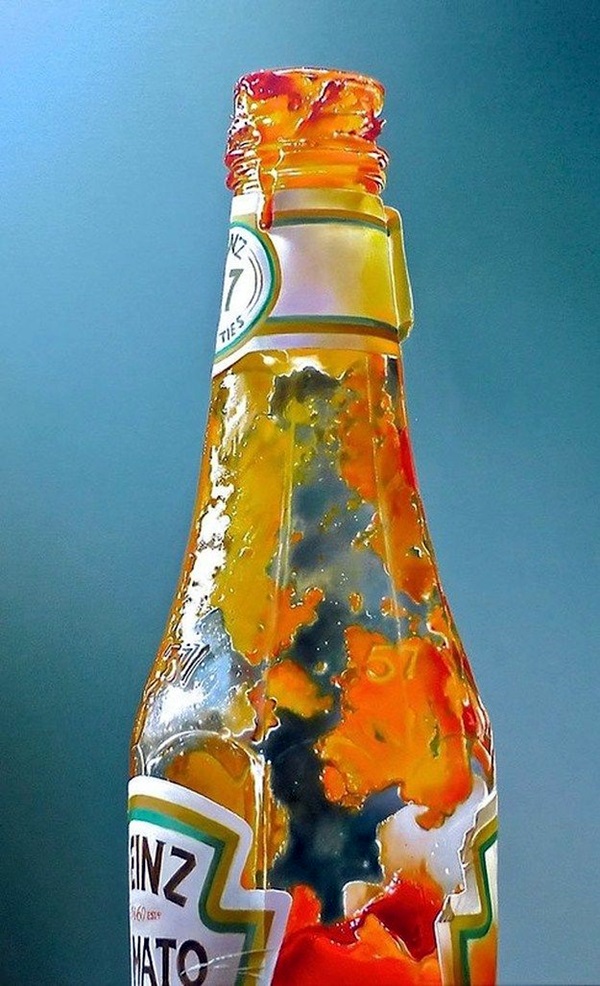
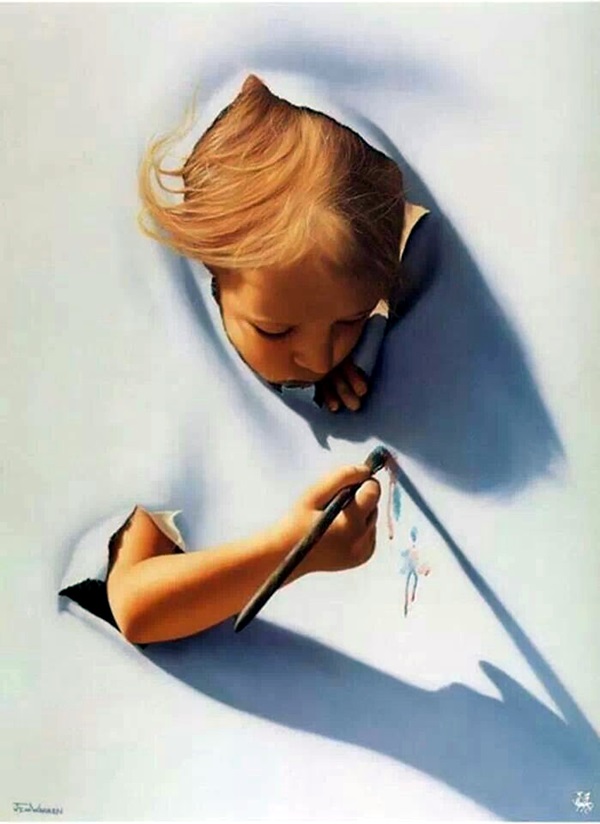
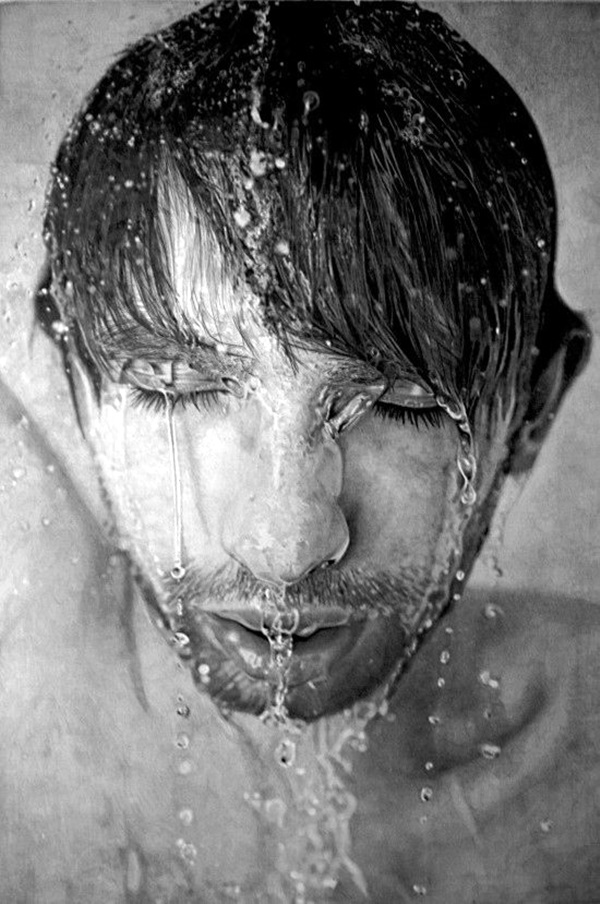
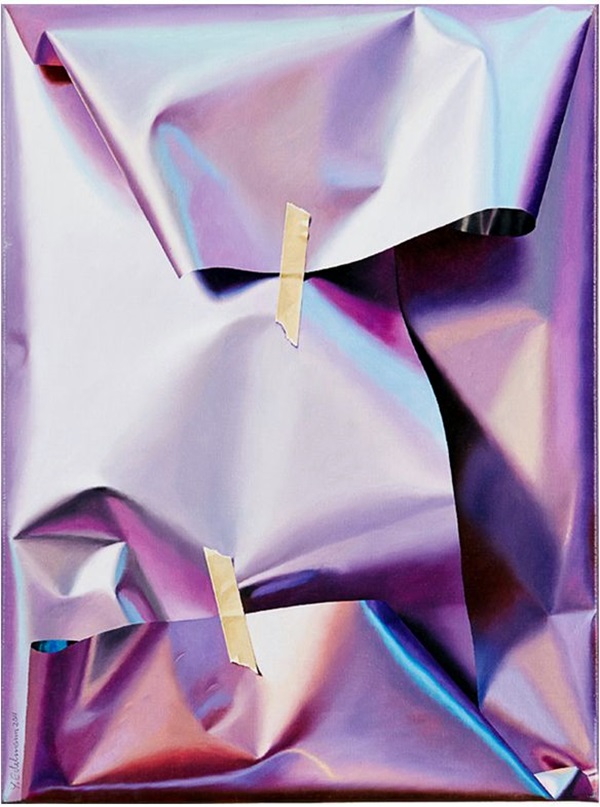
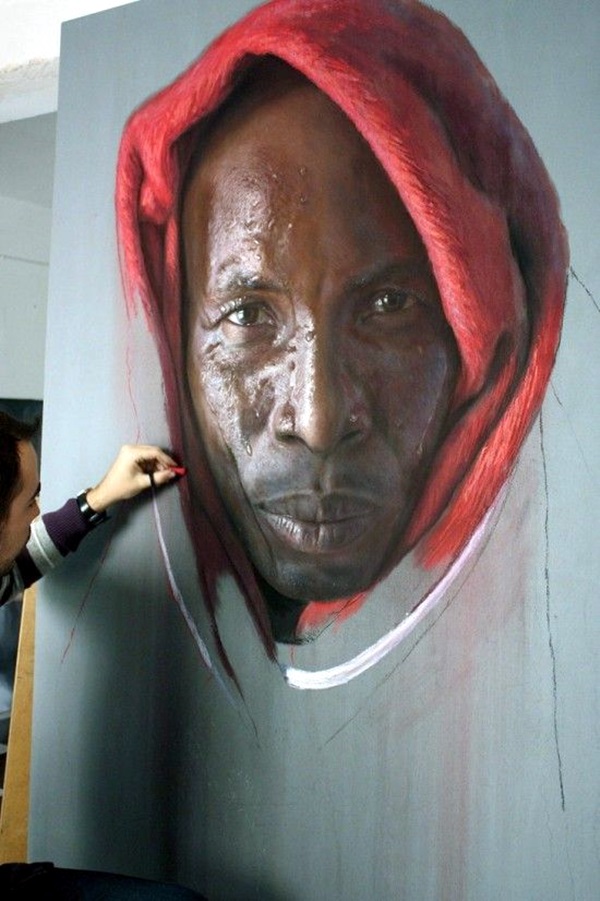
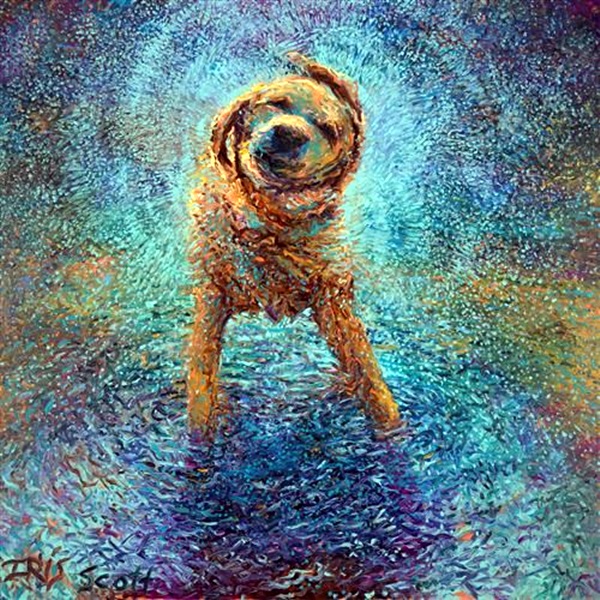
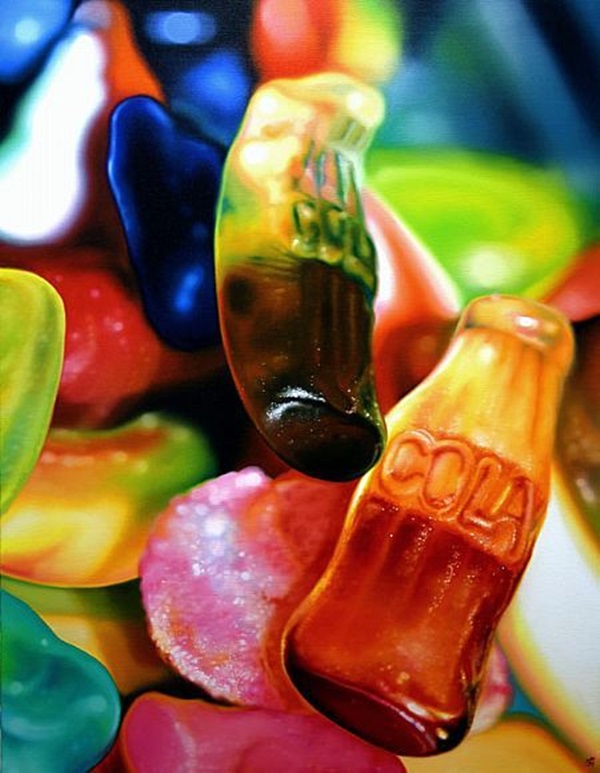
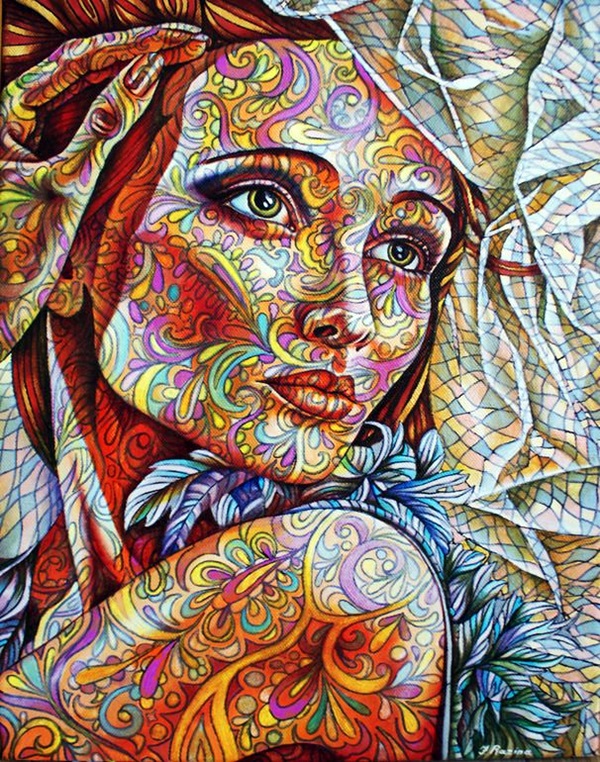
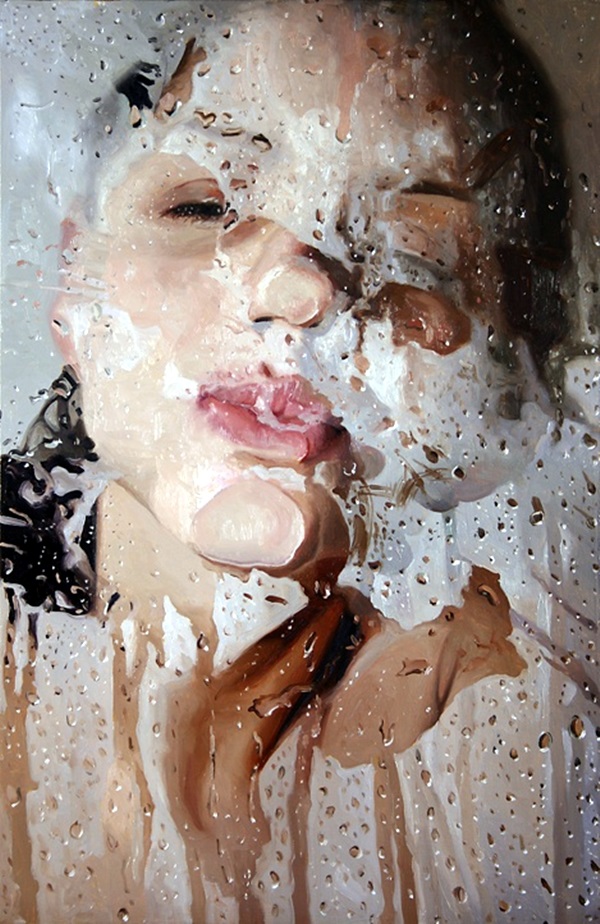
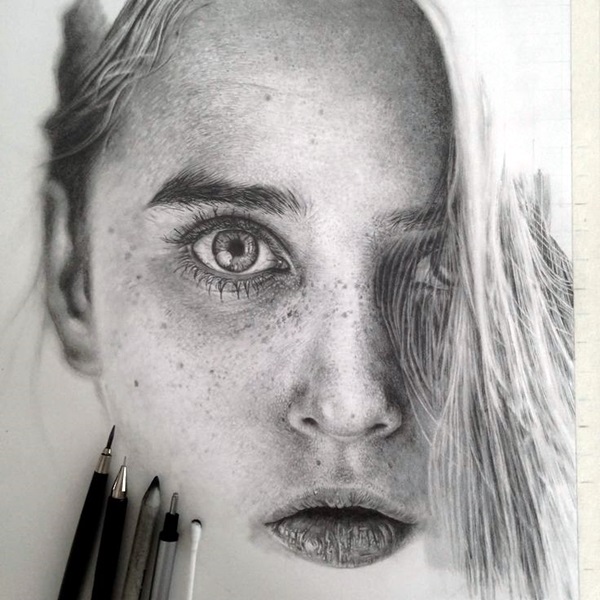
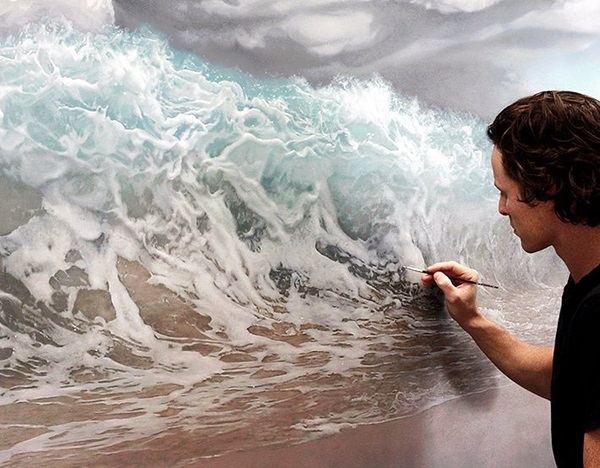
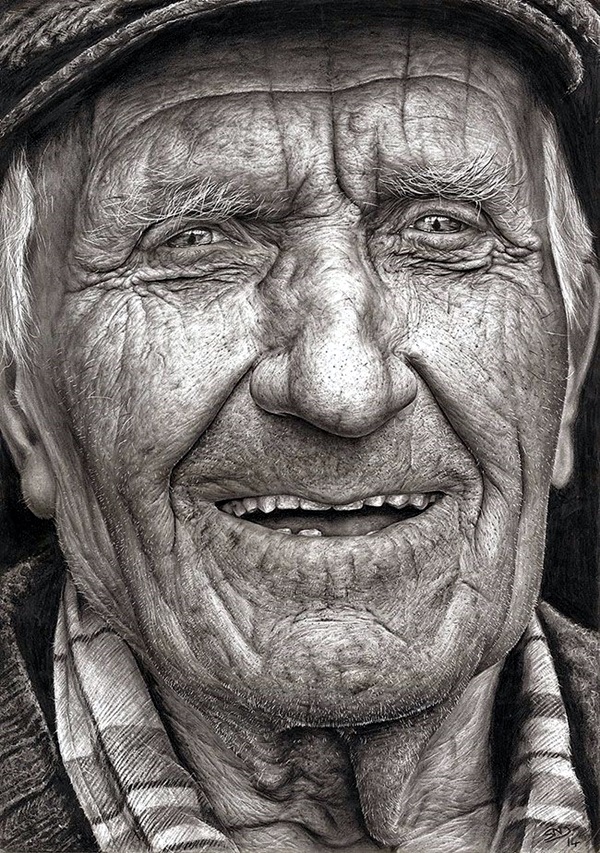
What is photorealism? Have you ever encountered a piece of art that looks exactly like a photograph, only to find out that it was created using paints, pencils, and other artistic tools? That is the essence of photorealism. While the definition may seem straightforward, the process is anything but simple. Creating photorealistic art requires immense skill and dedication, as artists strive to replicate the intricate details found in photographs. To understand this better, take a look at these examples of hyper-realistic oil paintings, which exemplify the level of detail involved.
The point of photorealism lies in the challenge it presents. Some may argue that photography itself is an art form, given its composition, color, and subject matter. However, can it truly be compared to a piece created entirely by hand? Photorealism allows artists to capture the same level of detail as a photograph, but through their own skillful techniques, using brushes and various tools.
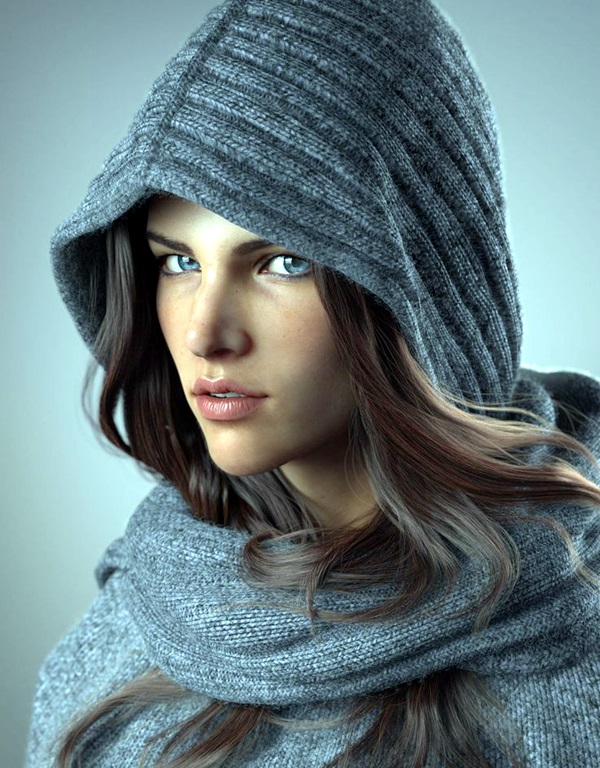
Artists are drawn to photorealism for many reasons, despite its challenges. Regardless of their motivations, the tenacity and effort that go into creating such detailed works deserve appreciation. It’s important to note that photorealism can also encompass the use of digital media to achieve realistic effects. The movement is believed to have emerged in the late 1960s and early 1970s as a counter-response to abstract expressionism, with artists seeking to reclaim the significance of detailed, representational art in a world increasingly dominated by photography.
This artistic movement arose partly from the perception that traditional artistic methods were undervalued compared to photography. Artists felt their efforts were overshadowed by the precision of photographic images, prompting them to enhance the realism and detail in their own works, particularly in portraiture.
The term ‘photorealism’ was coined in 1969, marking the beginning of a distinct artistic movement. Artists typically start by photographing the subject they wish to reproduce. They then transfer this image onto the surface where the artwork will be created, employing various techniques to recreate the photorealistic effect.
What do you think about photorealism? It can be perplexing, as it blurs the line between photography and traditional art forms, yet it is a testament to the skill and creativity of the artist.
Conclusion
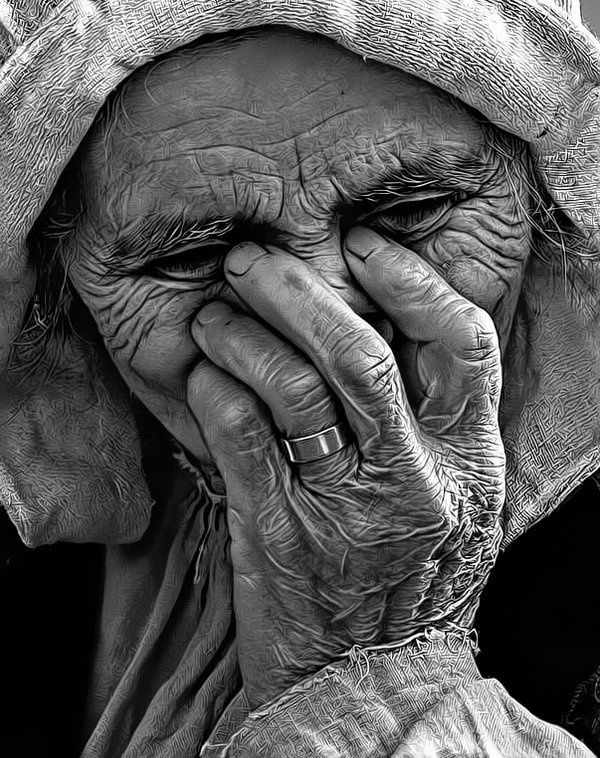
Photorealism has made a significant impact on modern art, challenging perceptions of artistic value and the capabilities of traditional techniques. As artists continue to explore this style, they push the boundaries of realism, inviting viewers to appreciate the intricate details that can be achieved through dedication and skill.
FAQ
Q1: What are some famous examples of photorealism?
Famous examples of photorealism include works by artists like Chuck Close and Richard Estes. These artists are known for their incredible attention to detail and ability to create lifelike images that often resemble photographs.
Q2: What techniques are used in hyper-realistic drawing?
Hyper-realistic drawing often employs techniques such as layering, blending, and precise attention to light and shadow. Artists may use a variety of tools, including pencils, charcoal, and digital software, to achieve the desired realism.
Q3: How does photorealism differ from realism?
While both photorealism and realism aim to depict subjects accurately, photorealism specifically focuses on creating artworks that are indistinguishable from photographs. Realism may capture a broader range of styles and interpretations of reality.
Q4: What is the historical background of photorealism?
Photorealism emerged in the late 1960s and early 1970s as a response to abstract expressionism. Artists sought to reclaim the importance of detailed, representational art in a world increasingly dominated by photography.
Q5: Can digital media be used in photorealism?
Yes, digital media plays a significant role in contemporary photorealism. Many artists use digital tools to create hyper-realistic images, often starting with photographs and enhancing them through digital painting techniques.
 Bored Art